

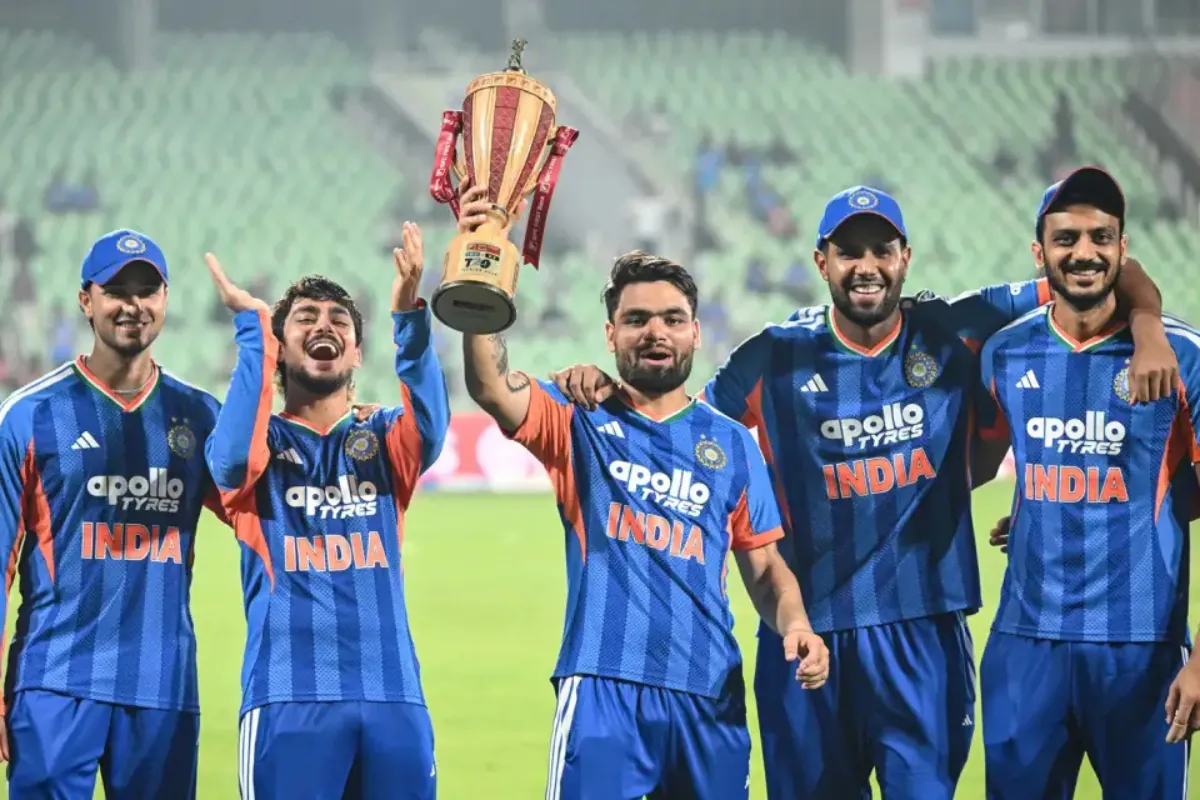
The India vs New Zealand white-ball series of January 2026 unfolded as a study in contrasts. India asserted dominance in the T20 format with a clear emphasis on aggression and tempo, while New Zealand emerged stronger in the ODIs through clarity and composure. Beyond results, the series functioned as a testing ground for combinations, leadership styles and tactical priorities ahead of the upcoming T20 World Cup in Indian conditions.
India’s T20 success was rooted in attacking intent. Under Suryakumar Yadav’s leadership, the team committed fully to high-risk, high-reward batting, especially in the powerplay and middle overs. New Zealand, meanwhile, exposed India’s limitations in the longer format by outlasting them through patience and structured chases. The dual outcome shaped the central narrative: India looked explosive but unfinished; New Zealand looked resilient and tactically settled.
Team Composition and Role Clarity
Both teams treated the series as experimental. India rotated heavily, particularly in wicketkeeping and all-rounder roles. Ishan Kishan and Sanju Samson alternated behind the stumps, while Hardik Pandya, Shivam Dube, Axar Patel and Washington Sundar were used situationally. Varun Chakravarthy’s recall and Abhishek Sharma’s elevation to the top order signaled a willingness to invest in unconventional options.
This flexibility, however, created uncertainty. Several batters made starts without converting them into defining innings. The absence of a settled middle order in ODIs was particularly visible, reinforcing the criticism that India lacked role security. The upside was that younger players were exposed to pressure situations, helping management assess temperament rather than just technique.
New Zealand’s selections were shaped by injury and workload concerns. Their ODI side was missing several frontline fast bowlers, forcing reliance on a core of adaptable players. Despite this, they maintained structural clarity. Daryl Mitchell and Glenn Phillips anchored the batting, while Mitchell Santner and the seamers operated within clearly defined roles. Rotation at the top order continued in T20s, but the team retained balance between batters and bowlers, which proved effective in Indian conditions.
Batting Aggression and Conversion
India’s T20 batting was built on early disruption. Abhishek Sharma and Ishan Kishan attacked the new ball, refusing to treat the powerplay as a period of consolidation. Shivam Dube and Hardik Pandya extended this aggression into the middle overs, particularly against spin. Suryakumar Yadav’s presence allowed flexibility: he absorbed pressure when early wickets fell and accelerated when partnerships formed.
This strategy unsettled New Zealand’s bowling rhythm. The emphasis was not on preserving wickets but on controlling momentum. The result was repeated totals beyond what traditional T20 pacing would have aimed for.
In ODIs, however, India’s approach lacked continuity. Partnerships promised stability but rarely matured into match-defining stands. Kohli’s lone century stood out precisely because it was an exception. The middle order struggled to take responsibility once the platform was set, often leaving the tail with too much to do. Fielding lapses compounded the issue by extending New Zealand’s innings.
New Zealand’s batting showed contrast in temperament. They were willing to absorb early pressure and accelerate later. Mitchell’s effectiveness against spin and Phillips’ counterattacking ability allowed them to dominate the middle phase of ODIs. Their top-order batters were less explosive than India’s but more secure, ensuring that chases remained structured rather than chaotic. In T20s too, they relied on controlled aggression rather than outright power.
Bowling Plans: Spin vs Pace
India leaned heavily on spin, particularly in the ODIs. Varun Chakravarthy, Kuldeep Yadav and Jadeja were central to their plans, but New Zealand targeted them early. Once the spinners lost control, India lacked pace variation to regain momentum. Mohammed Siraj provided resistance, but the attack as a unit struggled to contain settled batters.
In T20s, India’s bowling looked sharper. Bumrah and Arshdeep Singh handled the death overs with authority, while spinners were used in short, matchup-based spells. This prevented New Zealand from building prolonged partnerships.
New Zealand’s bowling philosophy was more conservative but effective. Santner bowled for control rather than wickets and the seamers relied on cutters and back-of-length deliveries rather than raw pace. Their refusal to overload spin proved valuable, particularly on flatter surfaces. The difference between the two attacks lay in adaptability: New Zealand adjusted faster when plans failed.
Fielding and Discipline
Fielding separated the teams in the ODIs. India dropped key chances and misjudged ground fielding, allowing New Zealand to regain initiative after periods of pressure. These lapses proved decisive in close matches.
New Zealand’s fielding was sharper and more consistent. Direct hits, boundary riding and catching under pressure reinforced their reputation as a disciplined unit. In white ball formats, where margins are thin, this proved an important advantage.
Captaincy and Leadership
Suryakumar Yadav’s leadership in T20s was proactive. He embraced aggressive tactics and backed attacking players even after failures. His own form stabilised the batting unit, giving credibility to his authority.
Shubman Gill’s ODI captaincy reflected honesty rather than dominance. His post-series assessment focused on batting depth and partnership building, suggesting a reflective style of leadership. KL Rahul’s return in ODIs added experience but did not resolve middle-order fragility.
For New Zealand, Santner’s calmness in T20s and Daryl Mitchell’s authority in ODIs highlighted continuity rather than innovation. The absence of Bracewell forced responsibility onto senior batters, who responded with composure.
Coaching Influence and Tactical Identity
Gautam Gambhir’s impact was clearest in T20s. India’s aggressive template mirrored his philosophy of seizing initiative rather than reacting. His selection calls rewarded intent over reputation. However, the ODI losses exposed limits to this approach when patience and structure were required.
New Zealand’s coaching staff stressed emotional control and long-term preparation. Their message after defeats was consistent: focus on adaptability rather than immediate correction. This allowed players to perform without fear of removal from the XI.
Both camps treated the series as preparation rather than judgment. India refined their attacking blueprint; New Zealand tested resilience under unfamiliar conditions.
World Cup Readiness and Mentality
India is entering the T20 World Cup with confidence in their batting firepower and bowling depth. The series confirmed that they can dominate in Indian conditions when momentum is seized early. Yet the ODI failures underline unresolved issues: building long innings and maintaining fielding standards under pressure.
New Zealand gained belief from their ODI success. They proved capable of pacing chases and managing spin-heavy attacks. Their calm under pressure suggests they will approach the World Cup without emotional extremes, relying instead on process.
Emerging Players and Workload
Abhishek Sharma emerged as a high-impact opener, though still inconsistent. Shivam Dube strengthened his case as a spin-hitter in the middle overs. Harshit Rana’s all-round contributions in ODIs hinted at future finishing responsibilities. For New Zealand, Mitchell and Phillips reinforced their status as core players, while Rachin Ravindra continued to offer balance in the black caps side.
Workload management was visible on both sides. India rested key players strategically, especially Bumrah and Hardik. New Zealand managed returning fast bowlers carefully. The compressed schedule tested squad depth and validated the need for rotation.
Conclusion
The India–New Zealand series of January 2026 was less about supremacy and more about direction. India’s T20 dominance showcased the rewards of fearless batting and tactical boldness. New Zealand’s ODI success demonstrated the enduring value of discipline, fielding and structured chases.
Both teams exit the series with clarity. India must refine patience and execution; New Zealand must convert resilience into sustained pressure. As a prelude to the World Cup, the series did not declare a favorite, but it revealed pathways. In that sense, its true importance lies not in the scoreboard, but in the lessons it offered.
It clarified leadership pathways, finishing roles, bowling trust and the sustainability of innovation under pressure. For India, it is about readiness and responsibility. For New Zealand, it is about adaptability and execution.
In many ways, for both these teams the World Cup started from here.


