

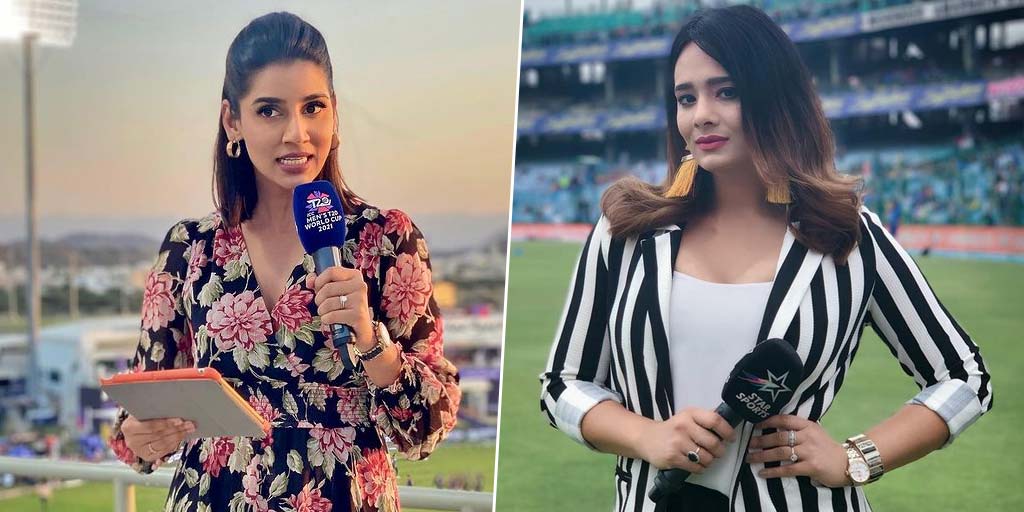
Cricket in India has always been more than a sport; it is a conversation carried across homes, streets, stadiums, and television studios. For decades, that conversation was largely shaped by male voices. In recent years, however, a visible transformation has taken place. A new generation of lady cricket commentators and presenters has stepped into commentary boxes, digital studios, and broadcast panels, reshaping how the game is discussed and understood.
These voices do far more than describe boundaries and wickets. Every woman cricket commentator brings a new interpretation, technical explanation, and context that enriches the viewing experience. Their presence signals a broader shift in cricket culture, one that recognizes expertise regardless of gender and opens new pathways for future professionals in sports broadcasting.
Why Women’s Voices Matter in Cricket Broadcasting
Commentary is not merely narration; it is storytelling, analysis, and cultural framing. When women occupy commentary booths and presentation panels, they bring perspectives shaped by their playing experience, professional training, and deep engagement with the sport. Their insights often translate technical aspects of the game, such as bowling variations, field placements, and batting tempo, into accessible language for newer audiences.
The growing visibility of lady cricket commentators also plays a crucial symbolic role. Young viewers watching matches today see women not only as players but also as analysts, presenters, professionals, and decision-shaping voices in sports media. This representation expands the imagination of what careers in cricket can look like and helps normalize women professionals’ success in mainstream sports conversations.
The Pioneers Who Opened the Doors
Several former cricketers laid the foundation for women’s participation in broadcasting. Anjum Chopra, one of India’s most respected former batters, became one of the earliest prominent female commentators in mainstream men’s cricket coverage. Her analytical clarity and calm delivery helped audiences recognize that women could command equal authority in the commentary box.
Similarly, pioneering figures such as Diana Edulji, though not always regular ball-by-ball commentators, provided strong institutional voices on television panels and discussions. Their presence ensured that the historical struggles and achievements of women’s cricket remained part of the broader cricket narrative.
Later, legends like Mithali Raj and Jhulan Goswami strengthened this transition. Mithali’s studio analysis reflected classical cricketing discipline and match awareness, while Jhulan’s technical explanations of pace bowling offered rare insights drawn from elite experience. Together, these former players helped establish credibility for the emerging generation of women analysts.
The Rise of Modern Cricket Presenters
Alongside former players, modern cricket broadcasting has also seen the rise of highly professional presenters who anchor shows, conduct player interviews, and lead match coverage. Prominent Indian presenters such as Mayanti Langer, Sanjana Ganesan, and Shefali Bagga have become familiar faces across tournament broadcasts and cricket programming.
Their work represents another dimension of the changing broadcast landscape. While commentators focus on ball-by-ball analysis, presenters guide discussions, maintain the rhythm of live programming, and create connections between players and fans. Their communication skills, preparation, and on-screen presence ensure that match coverage remains engaging and accessible to diverse audiences.
Rather than the technical aspect of the game, their focus remains on audience retention and keeping the observers hooked. These lady cricket presenters bring their expertise with cricket media and blend it with the knowledge of experts to keep the conversation detailed enough for hardcore fans but easy to follow for newcomers. These presenters, along with the growing group of lady cricket commentators, collectively shape the voice of modern cricket broadcasting—blending analysis, storytelling, and professional presentation.
The Bridging Generation and New-Age Voices
Former players such as Reema Malhotra represent a transitional generation that connects the early pioneers with the current broadcast era. Her appearances as a studio expert during international tournaments demonstrate how former domestic and international players continue contributing to cricket discourse beyond their playing careers.
At the same time, younger active players occasionally step into short commentary or presentation roles during franchise leagues, reflecting a modern broadcast culture where communication and performance increasingly intersect. These moments help audiences experience the game from an insider’s perspective and create a more interactive viewing experience.
The combination of experienced analysts, professional presenters, and emerging voices ensures that the ecosystem of women’s cricket commentator roles continues to expand.
Impact on Indian Cricket Culture
The influence of lady cricket commentators and presenters can be seen in several important developments.
First, the technical depth of cricket discussions has improved. Broadcast conversations now regularly include detailed analysis of tactics, match situations, and player psychology. This has made coverage more educational and engaging for serious followers of the game.
Second, women’s cricket has gained greater legitimacy as a central component of the cricketing calendar. When former women captains and international players occupy prime-time commentary roles, it signals institutional respect and reinforces the importance of the women’s game.
Third, visible broadcast careers have created new professional pathways. Young cricketers today recognize that roles in commentary, digital analysis, and sports presentation can become viable post-playing careers.
Finally, storytelling around cricket has diversified. Personal experiences, emotional insights, and historical reflections now sit alongside statistics and tactical breakdowns, enriching how matches are remembered and discussed.
Continuing Challenges
Despite significant progress, challenges remain. Opportunities for women commentators in marquee men’s matches are still fewer than those available to male counterparts. Long-term broadcasting contracts and consistent assignments are also areas where parity has yet to be fully achieved.
Training infrastructure is another important factor. As more former players transition into media roles, structured broadcasting and communication training programs can help them adapt quickly to the technical demands of live commentary and studio presentation.
Misconceptions regarding the technical inferiority of women’s cricket compared to men’s also influence the acceptance of women’s cricket commentators.
True equality in cricket broadcasting will arrive when the presence of a woman cricket commentator is viewed as routine rather than exceptional.
The Road Ahead
The future of cricket broadcasting in India is likely to feature more regional-language commentary teams, more digital-first content formats, and greater participation by recently retired players. Expanding tournaments such as franchise leagues will continue to create demand for knowledgeable analysts and presenters, accelerating the entry of new talent into the field.
As audiences become more informed and analytical, commentary will increasingly reward insight, preparation, and clarity—qualities that many modern lady cricket commentators and presenters already bring to the screen.
A Legacy Still Being Written
From early pioneers to present-day studio leaders, women have steadily transformed the soundscape of cricket broadcasting. Figures such as Anjum Chopra, Mithali Raj, Jhulan Goswami, and Reema Malhotra provided the early credibility, while presenters like Mayanti Langer, Sanjana Ganesan, and Shefali Bagga represent the professional broadcast era that now defines modern coverage.
Together, these voices have reshaped not only who speaks about cricket in India but also how cricket itself is interpreted. Their presence ensures that the conversation around the sport continues to grow richer, more inclusive, and more reflective of the audiences who follow the game with passion.


